Table of Contents
Injury influences us in different methods. In the short term, it can create psychological reactions such as terror, confusion, shock, isolation, and dissociation, whereas in the future, it can affect our habits, psychological state, and capacity to operate. Trauma can also place the body in a state of anxiety and creates physical signs and symptoms such as a racing heartbeat, headaches, queasiness, gastrointestinal problems, inadequate sleep quality, and a propensity to alarm easily.
Zackson clarifies. This write-up explores the signs and symptoms, triggers, diagnosis, and treatment of unresolved injury. These are a few of the usual signs and symptoms of unresolved injury, according to Dr. Zackson: Hypervigilance and failure to let one's guard down Lack of trust fund and trouble opening to other people Dissociation and a persistent feeling of feeling numb Control issues, to recompense for sensation defenseless throughout the distressing incident Reduced self-worth and feelings of worthlessness Temper issues and trouble managing emotions High blood stress and cortisol degrees Rest troubles, including sleep problems and nightmares Headaches, nausea, sweating, or digestive concerns Rigidity in the upper body or a pit in the belly Somatic preoccupation (excessive emphasis and severe distress concerning physical signs and symptoms) Physical memories that create physical flashbacks of the feelings, smell, taste, discomfort, and stress of the traumatic experience Psychological wellness conditions such as stress and anxiety, anxiety, compound use disorder, or trauma (PTSD) Unsolved trauma is an invisible disease.
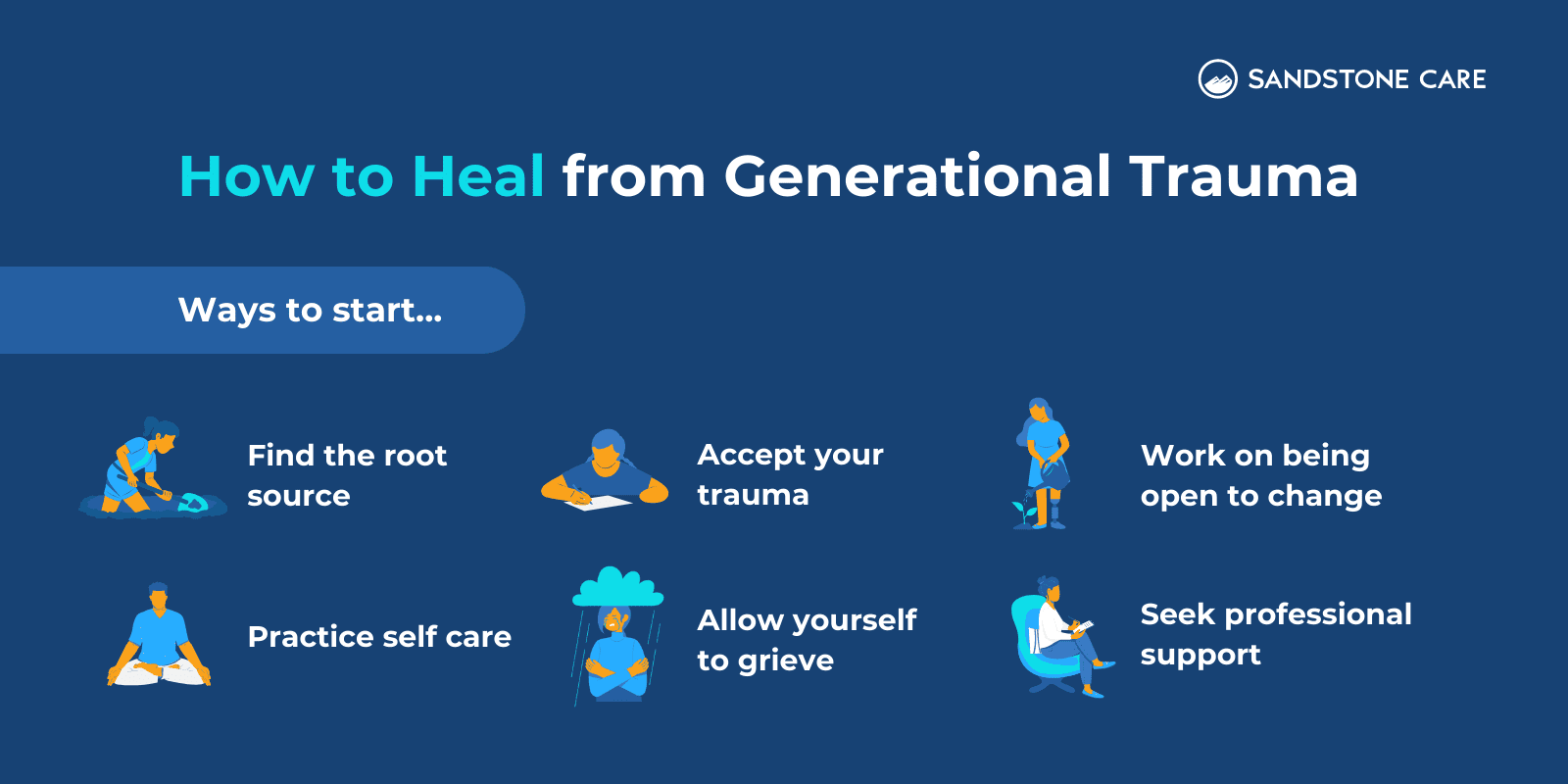
Dealing with unsettled trauma is very important, due to the fact that without therapy and healthy coping skills, it's most likely that it will certainly never be completely dealt with. Listed Below, Dr. Zackson details the healing process of treating unresolved injury and the various types of treatment that may be helpful. Hosted by Amy Morin, LCSW, this episode of The Verywell Mind Podcast, including psychoanalyst Dr.
Your Journey Toward Genuine Recovery
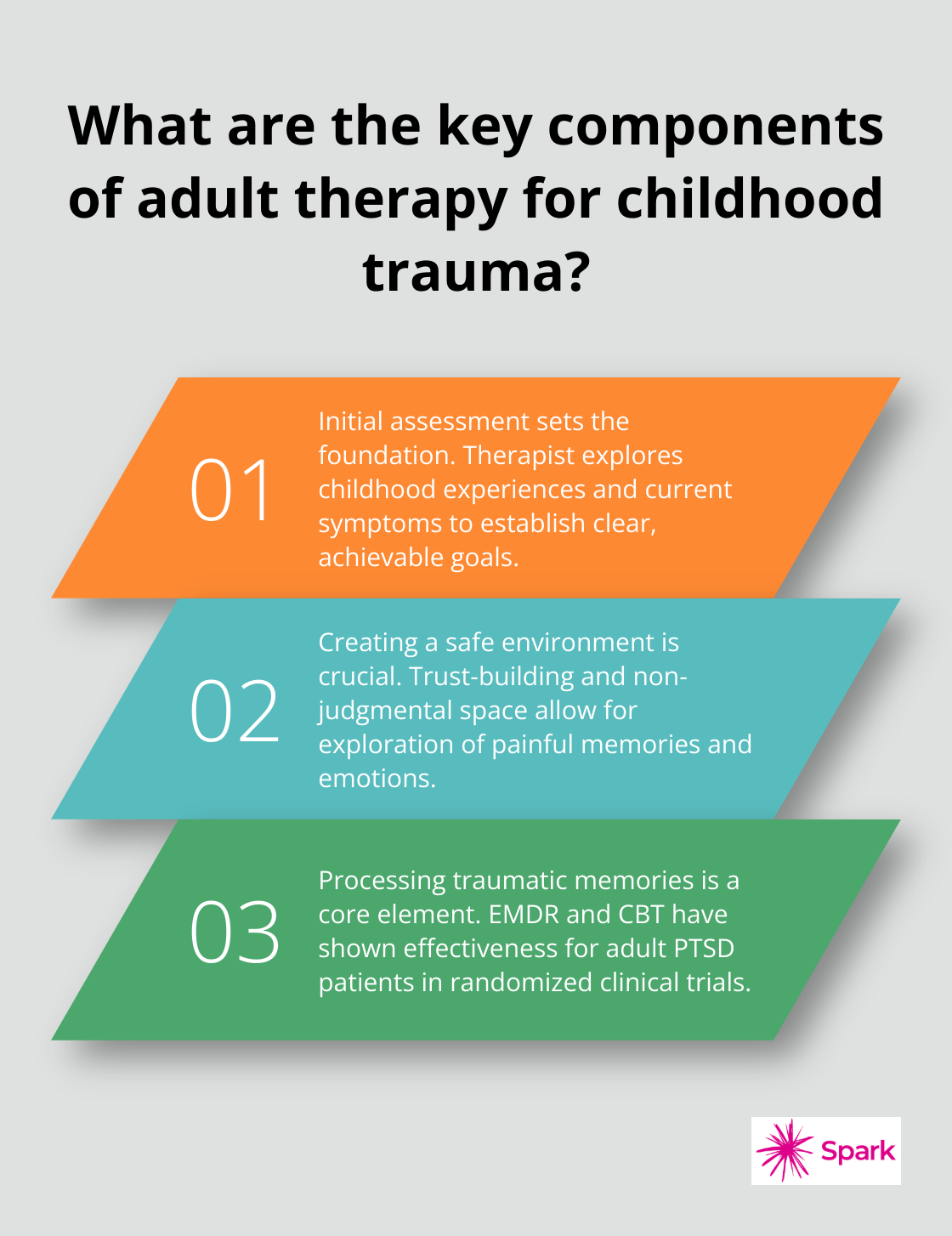
Click below to listen now.: Apple Podcasts/ Spotify/ Google Podcasts/ Amazon Music Therapy for unsolved injury begins with creating a risk-free and caring environment where the survivor really feels secure enough to refine the injury that has actually been quelched and pushed right into the 'black box'. The clinician thoroughly and securely opens this 'box,' enabling people to familiarize their experiences.
There is no specific period for healing from unsettled trauma. The good news is that healing from injury is not an endpoint; survivors are capable of far even more than merely recovery. They can review their terrible experience and discover that they are stronger than they ever thought of.
According to Dr. Zackson, these are some kinds of treatment, preferably performed by seasoned trauma specialists, that can aid treat unresolved trauma: We have actually tried, tested, and created unbiased testimonials of the best online treatment programs consisting of Talkspace, BetterHelp, and ReGain. Learn which choice is the ideal for you. Verywell Mind makes use of only high-quality sources, consisting of peer-reviewed studies, to sustain the truths within our articles.
Health And Wellness Aff (Millwood). 2019; 38( 10 ):1662 -1669. doi:10.1377/ hlthaff. 2019.00560 Bell V, Robinson B, Katona C, Fett AK, Shergill S. When trust is shed: The influence of social injury on social interactions. Psychol Medication. 2019; 49( 6 ):1041 -1046. doi:10.1017/ S0033291718001800 Lanius RA. Trauma-related dissociation and modified states of awareness: a telephone call for medical, treatment, and neuroscience study. Eur J Psychotraumatol.
Why Anxiety Shows Up Distinctly in ADHD Individuals
2016; 49:79 -91. doi:10.1016/ j.cpr. 2016.09.001 Lancel M, van Marle HJF, Van Veen MM, van Schagen AM. Interrupted rest in PTSD: Assuming beyond nightmares. Front Psychiatry. 2021; 12:767760. doi:10.3389/ fpsyt. 2021.767760 Centers for Illness Control and Avoidance. Dealing with your psychological health. Cleveland Center. Somatic symptom disorder in grownups. Gentsch A, Kuehn E. Medical manifestations of body memories: The influence of past physical experiences on psychological health and wellness.
Behaviorally, people might withdraw from social activities, avoid certain places or individuals, and show decreased inspiration or concentration. Physical signs and symptoms are also common, such as rest disturbancesincluding sleeplessness or nightmaresmuscle stress, headaches, or gastrointestinal issues. These physiological reactions are part of the body's tension reaction to injury. Cognitively, injury survivors could create unfavorable ideas about themselves or the world, such as feeling not worthy or harmful.
Mood adjustments can range from temper and anxiety to shame and despair. All these signs are indicators that trauma has impacted the individual's mental and psychological wellness. If these signs continue or heighten in time, they may turn into problems like Trauma (PTSD). Acknowledging these signs early and looking for expert help can help with reliable treatment and assistance recuperation.
One more extremely reliable approach is Long term Direct exposure therapy. This strategy encourages progressive confrontation of trauma memories and circumstances that recall the traumatic occasion.
Understanding Years of Struggles as Brain-Based Variation
These approaches aid individuals reframe unfavorable ideas, decrease intrusive memories, and manage psychological responses better. Dealing with trauma's impact on psychological, cognitive, and physical health and wellness is vital. Therapy intends to bring back a feeling of safety and security and trustboth in oneself and in partnerships with othersby fostering resilience and individual development. Component of this recovery procedure is psychoeducation, where people discover their reactions and establish useful coping skills.

As therapists, we often listen to the question "Just what is an injury response?" from our clients. It's a terrific question, and one worth checking out deeply. While a number of us utilize words "injury" and "stress and anxiety" as if they mean the exact same point in day-to-day conversation, there's really a lot more to comprehend regarding how trauma distinctively impacts our mental health and wellness.
Pathology vs Affirming Paradigm
Believe of injury feedbacks as your body and mind's method of shielding you when something happens that feels too big to deal with. When we experience something overwhelming or deeply stressful, our brain kicks right into survival mode. You may have come across "battle or trip" yet there's also "freeze" and "fawn" (people-pleasing). These aren't just abstract ideas; they're very actual reactions that can appear as soon as possible or sometimes years later, depending on what you have actually been via.

Navigation
Latest Posts
Journey of Transformation from Concurrent Complex Trauma and Eating Disorders with Anxiety therapy
Exercise Benefits for Anxiety
Sustained Recovery Post Treatment